

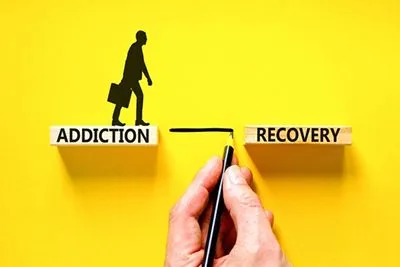
Addiction is a complex and multifaceted condition characterized by compulsive substance use despite harmful consequences. It can affect people from all walks of life and often coexists with other mental health disorders, making it a challenging issue to address. Substance abuse can lead to significant physical, emotional, and social consequences, affecting not only the individual but also their loved ones and community.
Recognizing the signs of addiction is crucial for early intervention. Common indicators include increased tolerance to substances, withdrawal symptoms when not using, neglecting responsibilities, and continued use despite negative consequences. Understanding these signs is the first step toward seeking help from professional counseling services, like the ones I offer online clients in St. Louis, Mobile, and the rest of Missouri and Alabama, and beginning the journey to recovery.
The Role of a Talk Therapist in Identifying Addiction
A talk therapist can play a vital role in identifying and treating addiction. Through compassionate and non-judgmental conversations, therapists create a safe space for clients to explore their relationship with substances. The therapeutic process often begins with a comprehensive assessment, where the therapist gathers information about the client's substance use history, mental health, and any co-occurring disorders.
During this assessment, therapists may utilize standardized screening tools to evaluate the severity of the addiction and its impact on the client's life. This information helps in formulating a treatment plan for the unique needs of the client.
Treatment Approaches for Substance Abuse Addiction
Once addiction is identified, a therapist can employ various evidence-based treatment approaches to support recovery. One method is Cognitive Behavioral Therapy (CBT), which helps people recognize and change thought patterns and behaviors associated with substance use. Through CBT, clients learn coping strategies to manage cravings, triggers, and stressors that may lead to relapse.
Motivational Interviewing (MI) is another valuable approach used by therapists to strengthen a person's motivation to change. This client-centered technique encourages people to explore their ambivalence about substance use and fosters a sense of personal responsibility for their recovery journey.
Supporting Recovery and Relapse Prevention
Recovery from addiction is a lifelong journey that requires ongoing support and commitment. A therapist can assist clients with developing a comprehensive relapse prevention plan, which includes identifying triggers, establishing healthy coping mechanisms, and building a strong support network.
Therapists also emphasize the importance of self-care and holistic approaches to recovery. This may include incorporating mindfulness practices, physical activity, and healthy lifestyle choices to promote overall well-being.
Get Professional Help For Your Recovery
My online counseling practice serves clients in St. Louis, Mobile, and the rest of Missouri and Alabama, providing compassionate support for people struggling with substance abuse. If you are facing drug or alcohol addiction, I encourage you to reach out. Schedule a telecounseling session by calling (314) 780-7410 or send a message through my website.